GTA winters are brutal. Small maintenance problems become expensive emergencies after the first freeze. Book your fall inspection today and protect your home before it's too late.
Each of these can cause serious damage if left unrepaired. Here's what to check before the freeze hits.
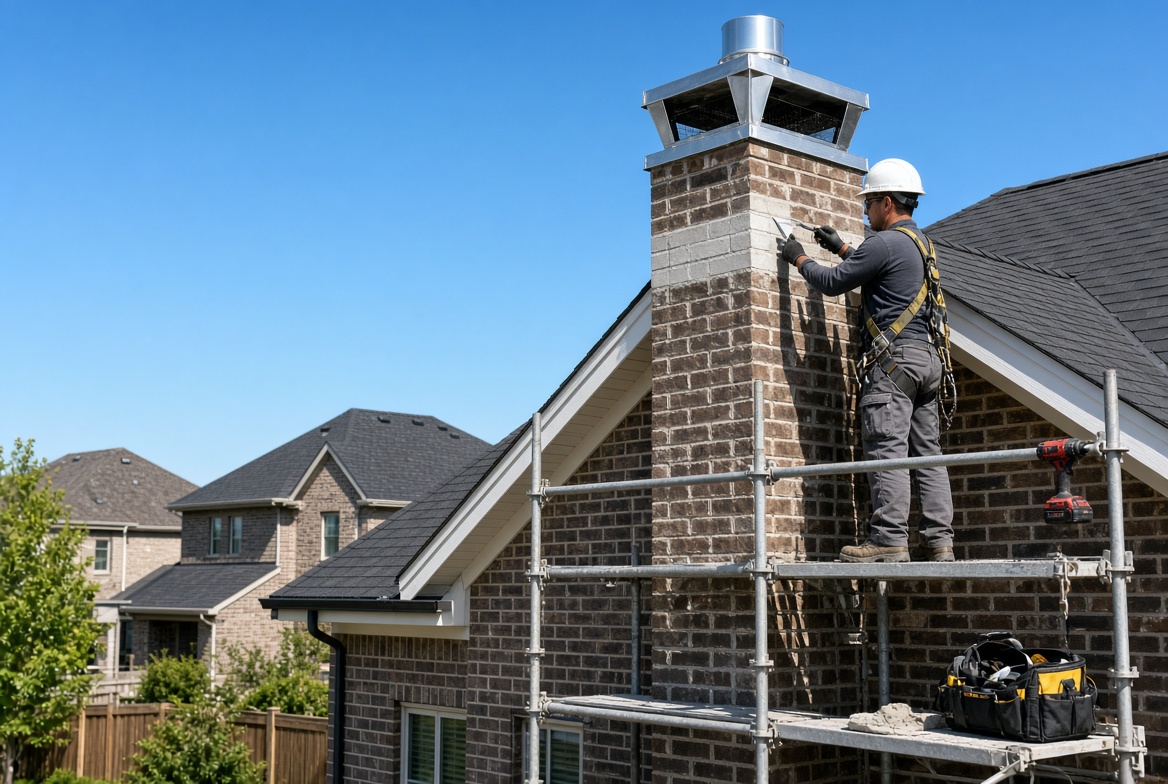
Creosote buildup from last winter's fireplace use is a serious fire hazard. A cracked flue liner lets carbon monoxide leak into your home. Water in masonry freezes and expands, cracking bricks and mortar. Ontario Fire Code recommends annual inspection.
Book Chimney Inspection →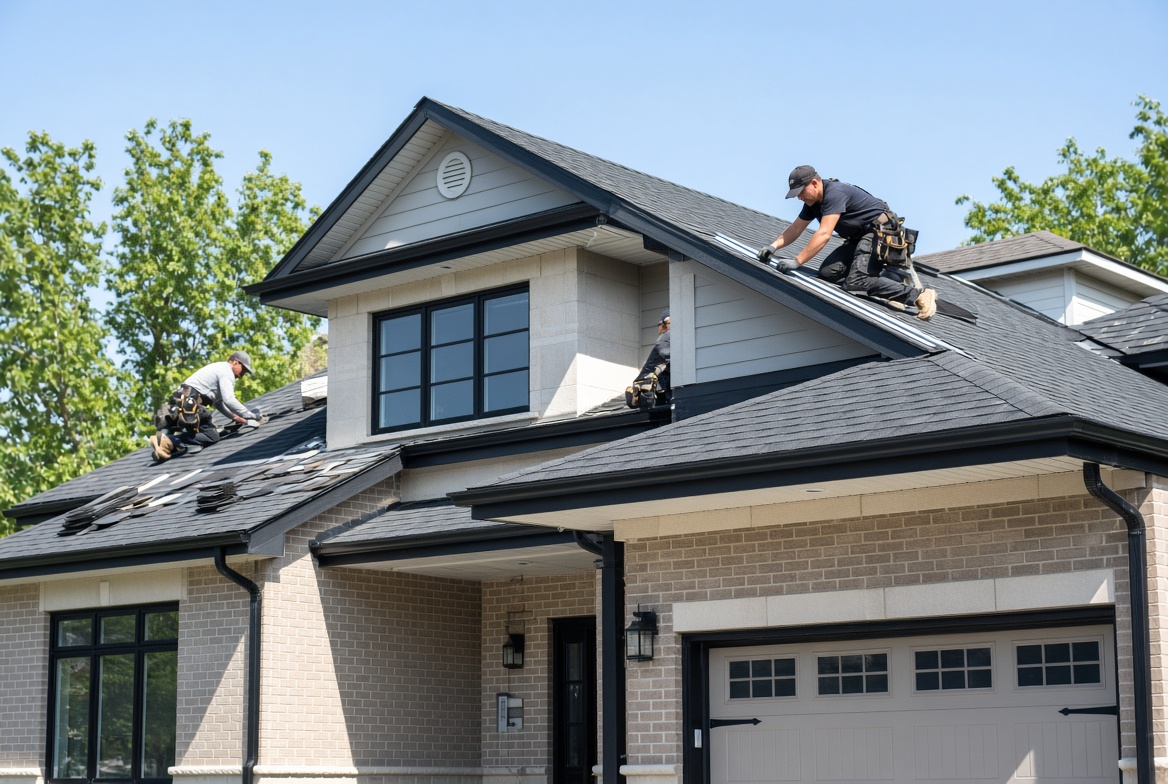
Summer storms lift and damage shingles. Small leaks become ice dams once freeze hits. Missing flashing around chimneys and vents creates water entry points. Once snow covers the roof, damage hides until spring — when it's far worse and more expensive to fix.
Book Roof Inspection →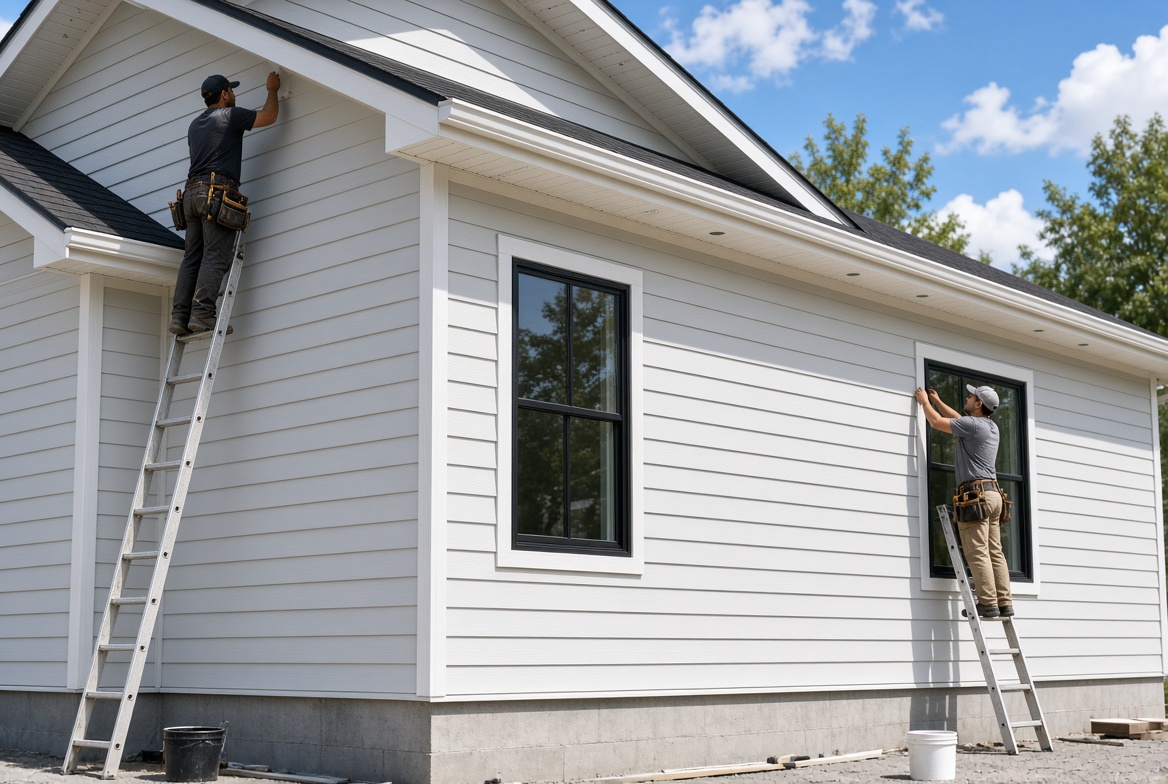
Gaps and cracks let cold air in and warm air out — driving up heating bills all winter. Moisture enters through damaged siding and freezes inside walls. Already-damaged vinyl becomes brittle in sub-zero temperatures and cracks. Soffit and fascia damage lets pests inside.
Book Siding Inspection →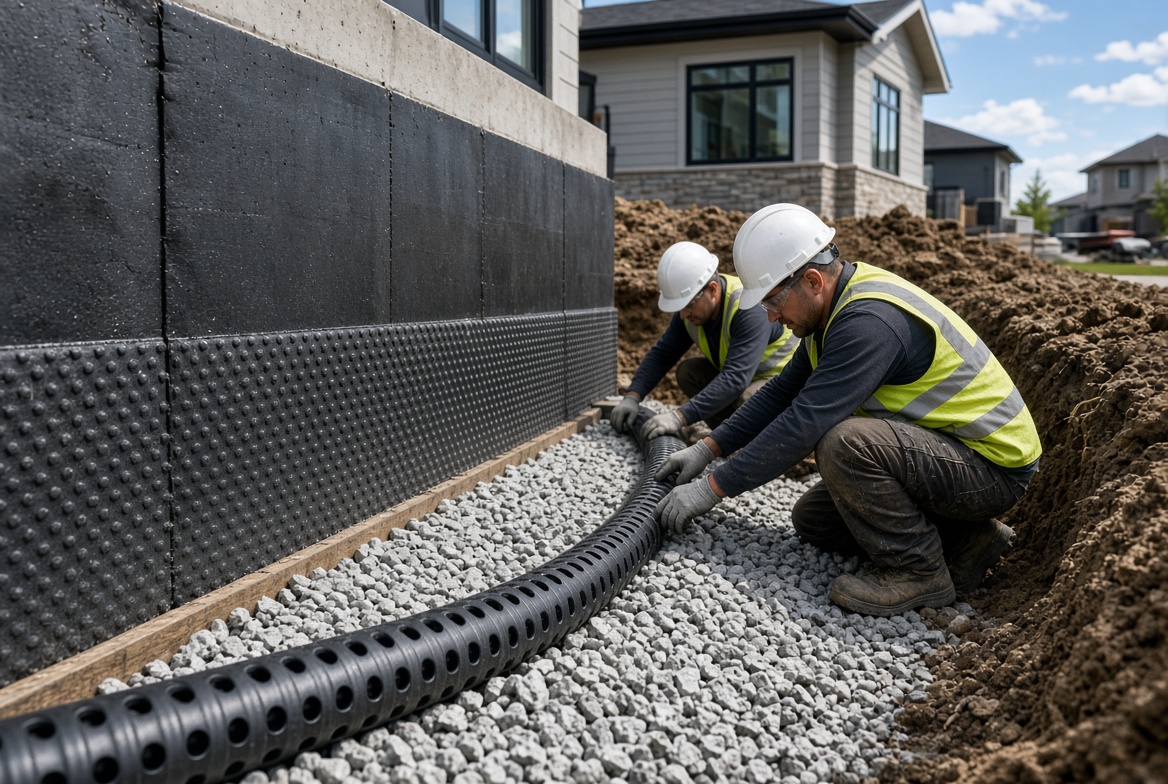
The GTA freeze-thaw cycle is brutal on foundations. Water in small cracks freezes, expands, and turns hairline cracks into structural problems. Waterproofing membrane won't adhere to frozen surfaces — it must be done before the ground freezes. Drainage issues compound when snow melts in spring.
Book Foundation Inspection →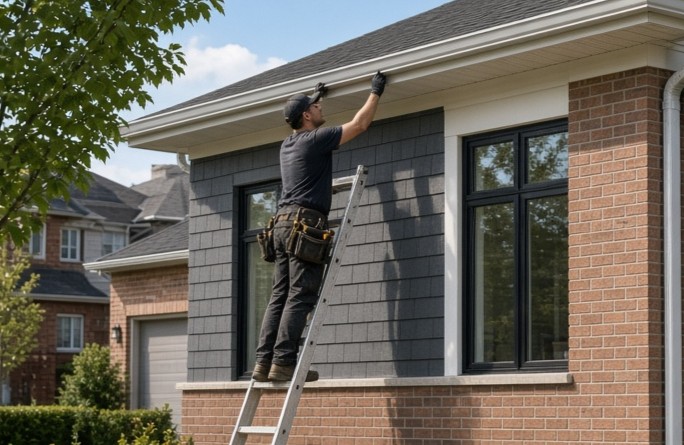
Fall leaves clog gutters fast. Water backs up under shingles and forms ice dams. Overflow pools around your foundation and causes basement flooding. Damaged gutters pull away from fascia boards, causing rot that spreads. Clean and repair gutters before the leaves fall.
Book Gutter Inspection →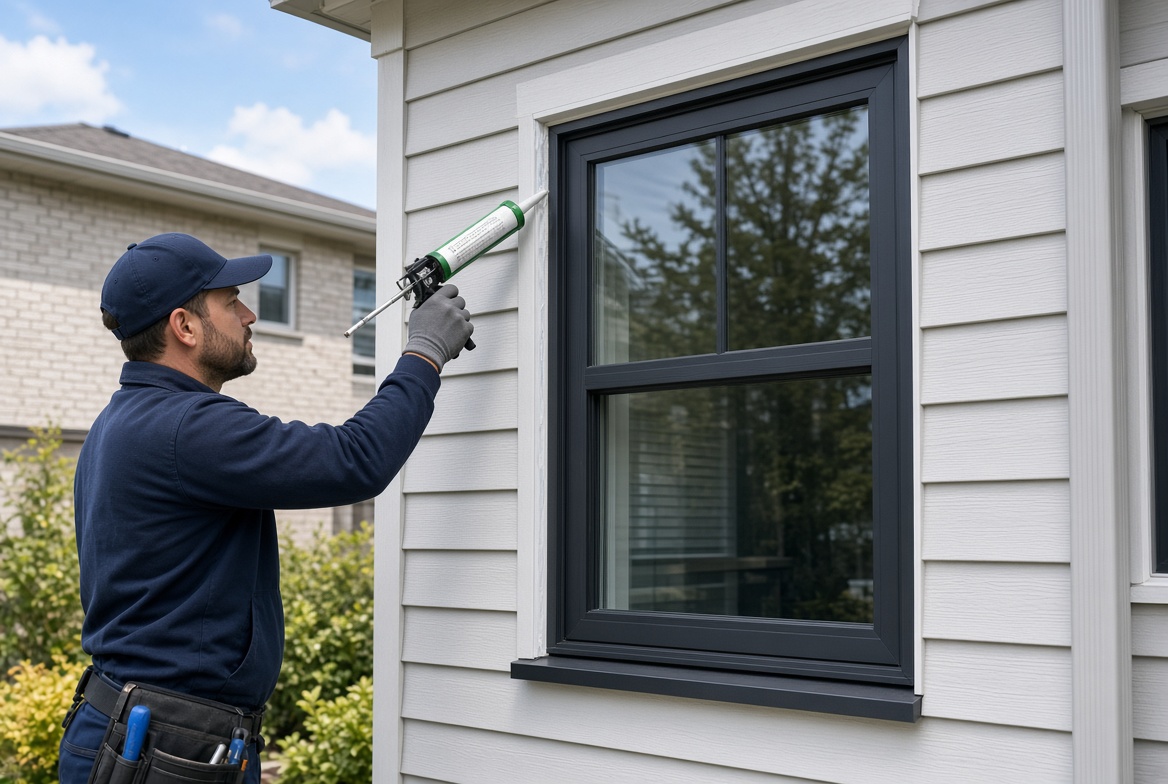
Old caulking and worn weatherstripping let drafts pour in all winter. Gaps around frames mean heat loss and higher energy bills. Re-sealing before heating season starts in November keeps your home warm and your furnace working less.
Book Weatherproofing →The window for fall exterior work is short. Here's why waiting costs you more.
Water in cracks freezes and expands. Small problems become structural. Every freeze cycle makes existing damage worse — and once the freeze starts, it won't stop until spring.
Fall is peak season for exterior contractors. Schedules fill up fast and last-minute availability gets harder as winter approaches. Book now or risk waiting until spring.
Sealants, mortar, and concrete all need temperatures above 5°C to cure properly. Once it's too cold, the work physically can't be done. Fall is the deadline.
Many insurance policies have maintenance clauses. If you don't fix known issues before winter damage occurs, claims can be denied. A fall inspection protects your coverage.
Free estimates. No obligation. Protect your home before winter arrives.